
According to the latest research released by audience measurement service RAJAR this week, an incredible 45% of all radio listening in the UK is on a digital platform. But as broadcasters and connected organisations, we need to work together to ensure radio can fight for a position on these platforms amongst other digital music services by remaining innovative and providing a great experience for listeners.
We've previously discussed how as a company we see great value in cross-industry collaboration and face-to-face events that bring like minded people with common interests together to collectively further our industry.
And to be part of that conversation, this week I was fortunate enough to attend the Digital Radio Summit at the EBU in Geneva, Switzerland. If you live within Europe, you're probably most likely to know of the EBU as the body behind the Eurovision Song Contest. Aside from the annual musical spectacle, the primary focus of the EBU is to assist and further the efforts of their European public service broadcaster membership, both in TV and radio.
Once a year a series of inter-related seminars and workshops are held around the common thread of digital radio. In particular, this is the summit at which the RadioDNS project reflects on the previous year's efforts and sets the roadmap for the next 12 months.
Aiir have been proud supporters of RadioDNS for several years now and our platform supports several of the organisation's services.
Their efforts fall under the umbrella term "hybrid radio". This term refers to devices using broadcast (FM or DAB) like a standard radio and supplementing it with small amounts of data from the internet to improve the user experience. RadioDNS provides the necessary "glue" that joins the FM frequency or DAB service with an internet-based app location so that these apps can work automatically and seamlessly for listeners.
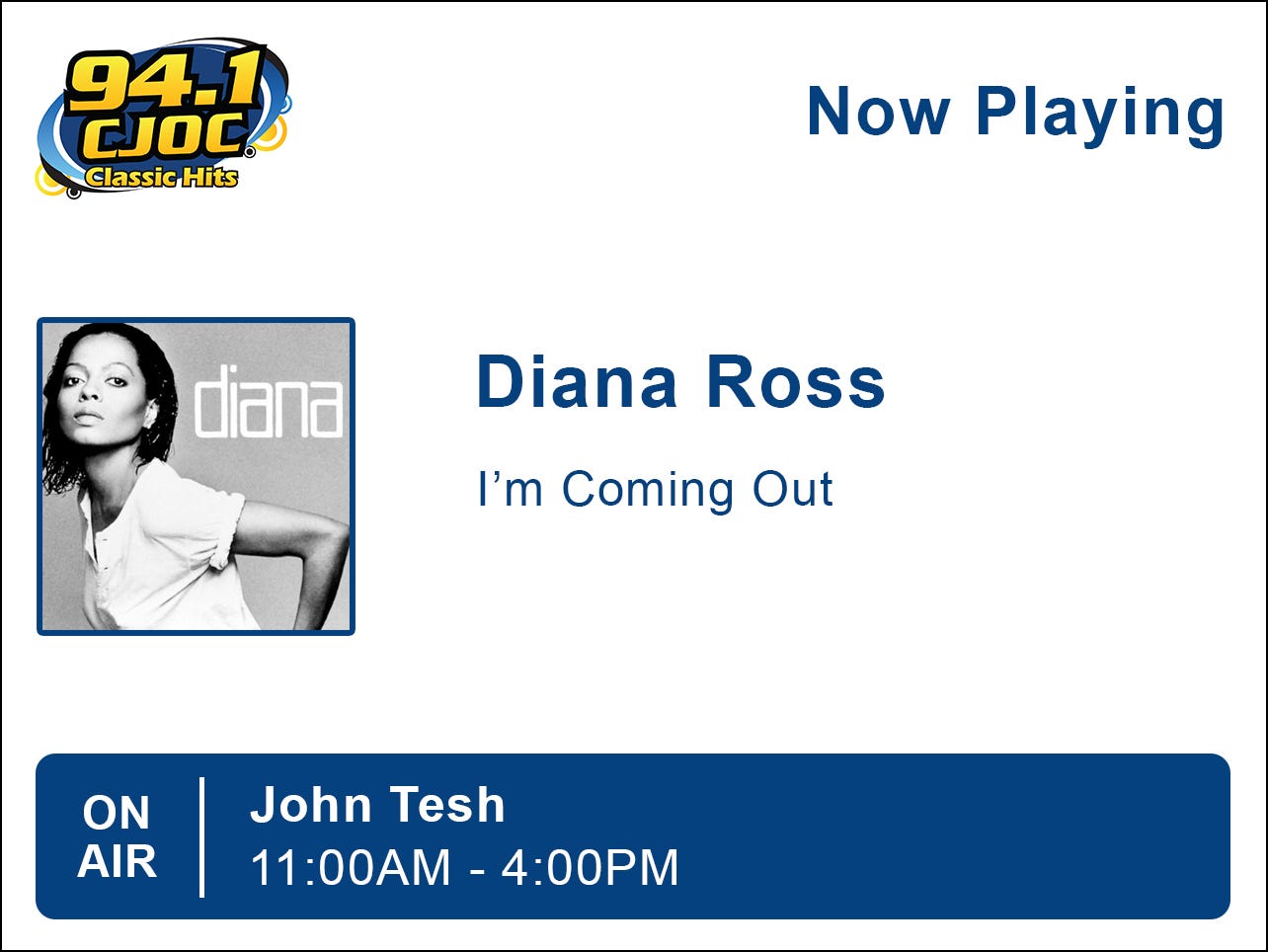
It's a simple technology platform that provides the foundation for apps such as Slideshow (formerly known as RadioVIS), which synchronises visuals such as album artwork, presenter images or even advertisements alongside the audio, with the ability to tap through to a web page.
RadioDNS also specifies a Service & Programme Information (SPI) app (formerly known as RadioEPG) which allows radio devices to show more information about the show, the presenter, photos, logos and more when listening to your station. It can add functionality similar to the EPG interface you find on most popular TV services. It also enables a useful technology for in-car listening, allowing a radio to know how to flip between FM or DAB and an internet stream to ensure that your listeners can continue to listen to your station long after driving "out of area".
Finally, the most recently finalised specification is for Tagging or RadioTAG, a process which allows a one-touch interaction with your radio to express interest in something you've just heard. Imagine you're driving down the motorway and hear a song by a new artist you like, or an advertisement you are interested in. You can't pull over, reach in to the glovebox and find a pen and paper to note it down, so typically you may miss it. With this app you can 'tag' anything you hear with a button push, then return to your tags at a later time through an app or web browser, on the move or back at home.
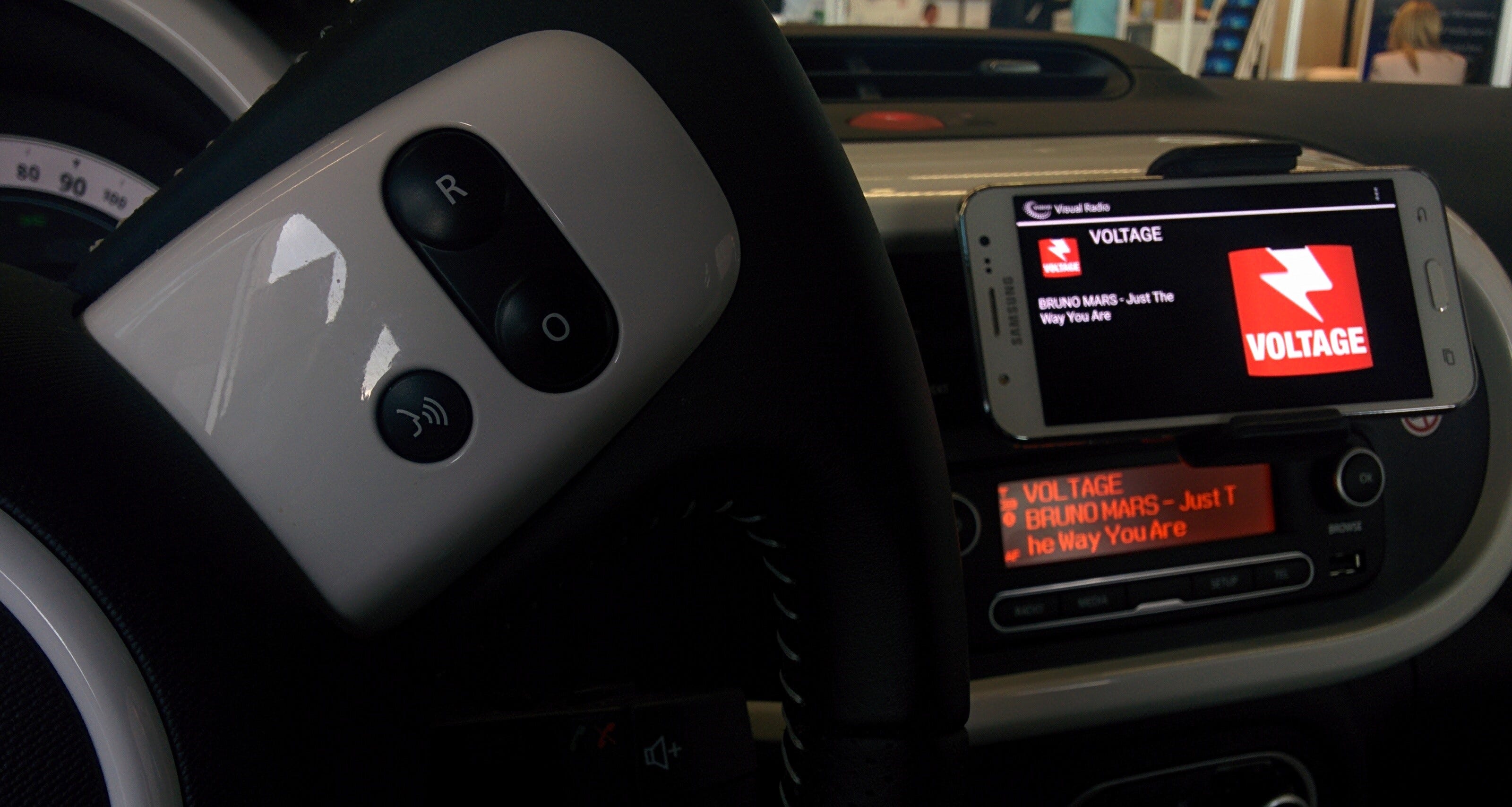
In-car was very much the main focus of this year's presentations, with a focus on how RadioDNS allows your station to stand out on a crowded dashboard and that by offering visuals and enhanced programme information stations can stand out from their competitors. The importance of in-car listening is well known in our industry and now, more than ever, it is being challenged by other media services. It's initatives like RadioDNS which allow our industry to continue to compete in this area.
As a measure of how important these automotive efforts are becoming, RadioDNS unveiled new members Audi and BMW to the organisation. In addition a teaser announcement that the project expects a line-fit car radio with RadioDNS functionality to be announced before the end of the year.
All of this marks the ideal time to get involved in hybrid radio. As these new services become available to listeners, stations that embrace them will stand out over those that don't.
The great news for our customers is that we have a range of easy-to-use tools for getting RadioDNS services running right inside our platform.
If you're not already a customer, now would be the perfect time to chat to us about taking advantage of these features alongside a whole host of others that make your radio station's digital output shine and work more efficiently.