On Thursday morning, many listeners found themselves frustrated unable to listen to their favourite stations online when radio service TuneIn went down for around 5 hours.
I don't bring this up to criticise TuneIn for this directly. Downtime is an unfortunate reality for online services. It happens. As an online service provider we've faced it before and put a lot of resources into avoiding it. Or if it does happen, ensuring the same thing can't happen again.
What's important now for TuneIn is to see how they react after the incident, and we'll have to wait to see if they provide any more information about how it happened or mitigating future issues.
I've read a few suggestions that downtime like this demonstrates the importance for stations to have multiple routes to access your content, your own websites and apps, rather than just relying on third parties. That's true, but how many listeners choose TuneIn itself as an alternative option for listening isn't the big lesson here.
What it really highlights is the situations where radio stations have very little control and can't provide an effective alternative.
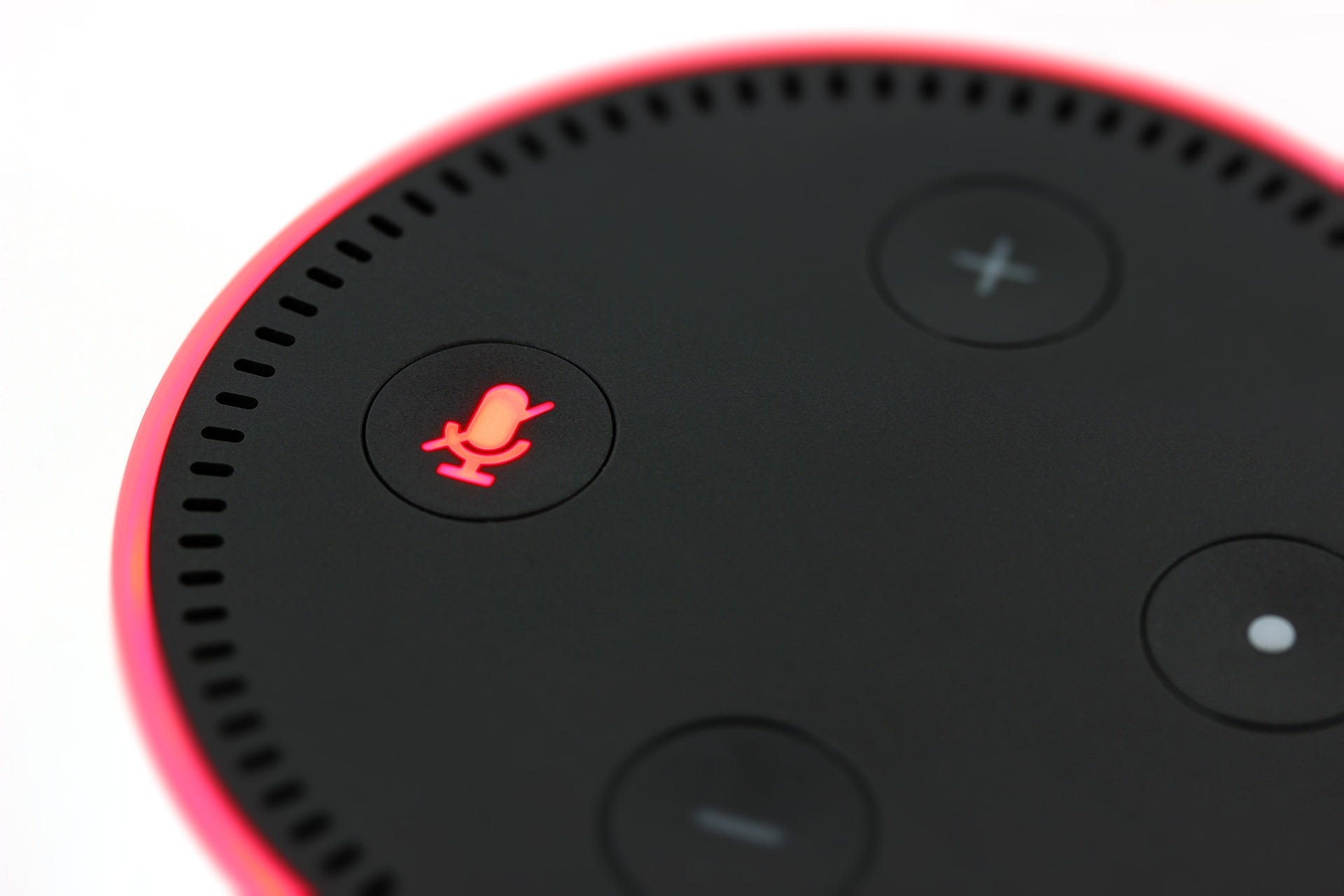
The biggest is smart speakers. They've been a huge area of growth for the radio industry. The Summer 2019 MIDAS survey shows that smart speakers make up a 5% share of all live radio listening. That's more than desktop or smartphones at 4% each, and has been part of the recent spike in digital listening. Getting the radio experience right on these devices matters a lot.
And on Thursday morning, if you asked the smart speaker to play a station, it didn't. When asking my Google Home to play Lincs FM, it told me it was attempting to play Rutland Radio via TuneIn followed by an American voice telling me the station didn't have a live stream and to contact them.
Ah.
The reliance on TuneIn from both Google and Amazon means control of how their stations are accessed and presented is, by default, entirely handled by third parties. And particularly, a third party who aren't publicly accepting new radio stations on to their platform. Want to make sure it can pronounce one-oh-six correctly, and not One-Hundred-And-Six? Good luck. But you can't even guarantee the right station will load, or that there's a reliable line of communication with these providers so you can give them the right information to make it work.
There are other ways to get your station playing on smart speakers: you could make your own Amazon skill! We've produced them at Aiir, as have many other organisations, including alternative aggregators such as Radioplayer. So that's the solution, right?
Sort of. But however good any developer makes that experience, with all sorts of clever features that are only possible from having your own skill... requiring users to know you have a skill, install that skill and, in some cases, remember the right words to trigger it... that's a huge barrier! We're talking about devices with very poor discovery for 'enabling' new features, so what matters most is the default. Stations are not in control of how their content is presented, or able to have a say in what the best way to access it is. If you're providing your best streams to Radioplayer, or your own skill, and would like that to be used by default for your station? There's no way to tell Amazon that. There have been some exceptions for major broadcasters who have managed to argue their way in, but there's not a clear route for anyone else.
And what about Google? Well, they allow developers to build what they call 'actions', including media playback. The downside? "Live streaming is not supported."
Once again - this is unless you're a big enough organisation and they'll make an exception. Partners can provide information for Media Actions, with their own way to define information about radio station, but once again it's not a clear process. The process for applying for partners does have a category for 'Music & Audio', but only talks about streaming services and podcasts.
This all matters a lot to radio stations - and it should matter to the companies producing these speakers too. Live radio is a big part of what these devices are being used for. In the UK, RAJAR's Q2 2019 data suggests that while 26% of adults claim to own one of these speakers, 94% of those use it to listen to live radio. The MIDAS survey mentioned before claims that 70% of all listening on these speakers is to Live Radio - consistent with 2017 research from Radiocentre finding that 72% of time spent with audio entertainment on the Amazon Echo is live radio.
Getting this experience right matters for listeners.
This lack of control reinforces that as an industry we need to put more effort in to collaboration. There's various ways to do this, including supporting open standards like RadioDNS Hybrid Radio, putting out quality, useful information that various services can use. We need to encourage manufacturers of devices that benefit from our content to use it. Or if they've got other requirements for data, to push them to make that information available, transparent, and possible for stations of any size to play - not just the biggest couple of players in each market.
This is of course not particularly new. A good number of people across the industry have been working hard for years on developing standards and implementations and we've had some big success stories so far, which prove it can work.
But it shouldn't just be the concern of those in engineering and tech departments. When your listeners couldn't ask Google to play your station the other morning, that's a problem for the station as a whole. That's a problem for the industry. Building alternative brand or company specific silos for listening might help your listening for your stations, and that's great! But if we're not also sharing information and working together about how we're doing that, we might not have the clout to get those, or smaller stations, in the places they need to be to serve our audiences.
At the recent Digital Radio UK stakeholders meeting, representatives of various broadcasters and companies mentioned the need to collaborate more in order to hold our own as an industry. Particularly so when it comes to working with these tech companies.
They're right - but what we need now is for that talk to be a bit louder, and a bit more detailed. How do we do it in practice? What ways are we looking to work together, what work needs funding, resources and attention? And how do we make sure everyone's voice is heard, for the good of the industry as a whole?